D-Logic hardware · Independent distribution & integrationThe right interface. The right reader.

Applications

Connect NFC reader events to your receiving application.

Start with the card operation and the software that will receive the result. Compare specific PR Network configurations, confirm the firmware workflow and plan acceptance at the intended installation.

Configuration boundaries

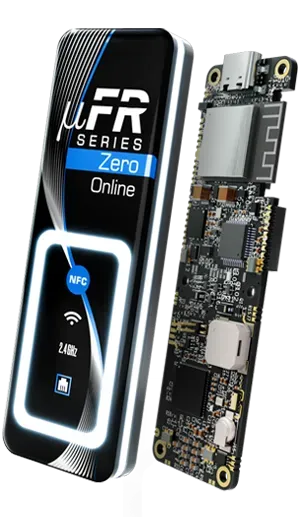
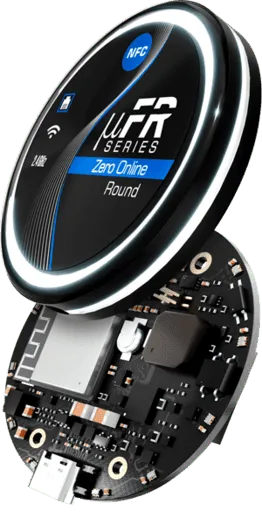
The manufacturer describes Transparent for USB host control, Slave for host control over Wi-Fi or Ethernet, and Master for HTTP POST to a receiving server. Confirm the delivered firmware, event fields and any HTTP or MQTT requirements. Master still needs your receiving software and business rules. The listed PR-501 and PR-502 defaults do not establish that Ethernet or PoE is included; PR-503 defaults exclude PoE. Confirm the quoted configuration and supplied items.
NETWORK PROJECT REQUIREMENTS

Define what must reach the server before choosing the reader.

A received card event, a successful card transaction and a completed business action are different checks. Agree each result with the selected firmware and receiving application, then use a sample to verify the complete path.

ILLUSTRATIVE PROJECT BRIEF

Several reader stations sending results to an internal application

Card and operation
Authorized sample cards or tags; UID or a specified card-data operation; agreed representation and expected result.
Receiving software
Application owner, required communication direction and proposed mode; firmware, event fields and response handling to confirm.
Installation and power
Wi-Fi or Ethernet, mounting and network access; power source, PoE requirement and a written adapter/cable list.
Acceptance and procurement
Expected behaviour during failed requests, outages and restarts; sample and rollout quantities, destination and project stage.

This is an illustrative requirement set, not a customer case or a device test. HTTP, MQTT and recovery behaviour must be confirmed for the delivered configuration; offline storage, replay and duplicate removal are not assumed.

Agree three observable sample checks

  1. From the card operation to the received result

    Use authorized samples and compare the required operation with the actual server receipt, reader identity and agreed data representation. Card detection alone does not prove a completed transaction or authentication.

  2. Failure visibility and recovery

    Agree expected behaviour, then interrupt and restore the network and restart the reader and receiving software separately. Record missing, repeated or reordered events, rejected requests and any operator action with the firmware and software versions.

  3. The quoted hardware in the intended installation

    Check the selected interface, power and any PoE upgrade against the supplied-items list. Repeat the required card operation in the intended mounting position and keep expected and observed results for acceptance.

Network NFC project brief

Fill in known requirements and mark unknowns for confirmation. Keep passwords, access tokens, card keys and personal records out of the public inquiry. The form inserts this checklist only when you choose to add it.

  • Card / chip / required operation / data representation: ___
  • Mode / firmware / receiving software and owner / event requirements: ___
  • Wi-Fi or Ethernet / power / PoE / installation: ___
  • Recovery checks / sample and rollout quantities / destination / project stage: ___

Related guides

Compare PC/SC, SDK and keyboard input →

Software and installation paths

See the procurement process →

Prepare your next step

LET’S FIND YOUR FIT

A reader for your project, not the other way around.

Tell us your card type, platform and quantity. We’ll help narrow the options.

Tell us about your project