D-Logic / PR Network
PR-503
Manufacturer model reference
µFR Zero Online Ethernet (without PoE)
PR numbers are NFCDock catalogue numbers; manufacturer models help match technical documentation.
The Ethernet-capable Online configuration for wired NFC reader-to-server integration.
A quote for your project
Share your quantity, card type and target platform. Configuration and availability are confirmed with your quote.
Request a quote Chat on WhatsAppSee the specificationsCheck this configuration
- The default Ethernet configuration does not include PoE; request the PoE upgrade separately.
- Confirm the required protocol, adapter, enclosure and power arrangement for the installation.
Where it fits
- NFC applications using a wired network
- Server-connected card and tag read/write stations
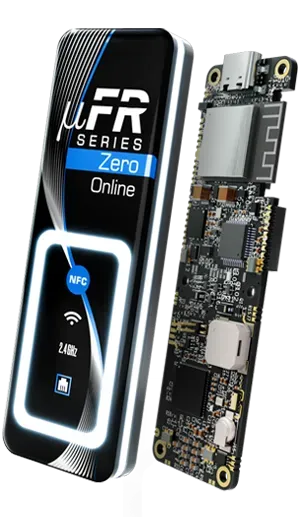 Series reference image. Confirm the exact enclosure for your model.
THE DETAILS
Interfaces & specifications
Integration
| Frequency | 13.56 MHz |
|---|---|
| Connection | USB, Ethernet, Wi-Fi, BLE |
| Supported standards | ISO/IEC 14443 A/B, ISO/IEC 15693 |
| Software path | Manufacturer API; selected network firmware |
| Main workflow | Wired network card and tag read/write workflows |
| Configuration | PR-503 default without PoE; optional PoE upgrade |
Source: Manufacturer model information · Checked 2026-10-01
Software & technical references
PR Network / network API
- Manufacturer configuration & documentation
- uFCoder API reference
- Manufacturer document directory
- Manufacturer communication protocol (PDF)
Confirm the exact Online variant, firmware and network mode. Ethernet and PoE are separate configuration choices; do not assume every family tool supports every firmware.
Links reviewed: . Links open external manufacturer or project websites. Source documentation may be in English. Check the current release, licence and model support at the source before installing or updating software.
INTEGRATION NOTES
Where it fits
Choose this configuration for evaluation when a wired network is part of the NFC system design. Plan the network outlet, power source and receiving software together, including how the system responds when the connection is interrupted.
Integration choices
The Ethernet-specific product listing identifies USB, Ethernet, Wi-Fi and BLE, 13.56 MHz operation, ISO/IEC 14443 A/B and ISO/IEC 15693 support. The default Ethernet configuration is explicitly described as without PoE; PoE is a separate upgrade.
The official listing describes an Ethernet adapter and USB-C power arrangement. Request the final adapter and cable list with the quotation. Also confirm the selected enclosure and drawing, since the listing contains several hardware fields that should not be treated as an installation plan.
The family documentation describes network communication modes. Match the required protocol and message handling to the selected firmware. The cover is the manufacturer’s Online series illustration and does not show the Ethernet adapter.
Prepare a quotation
Send the exact card or tag, required NFC operation and expected result, communication mode and direction, receiving software and protocol/message requirements, and selected firmware if known. Include network and power arrangements, state explicitly whether PoE is required, and describe mounting, enclosure, adapters or cables, recovery expectations, sample quantity and later quantity. Mark unknowns for confirmation. We confirm the selected configuration, supplied items and commercial terms in the quotation.
Manufacturer sources
Official model information · Manufacturer family documentation · Checked 2026-10-01.
About this reader
Does Ethernet support mean PoE is included?
No. The manufacturer distinguishes the default Ethernet configuration without PoE from the PoE upgrade. Specify your power arrangement when requesting the configuration.
Can this model send card events directly to a server?
The family documentation describes Transparent mode with a USB host, Slave mode with a Wi-Fi or Ethernet host, and Master mode posting scanned card information to a predefined server by HTTP POST. Confirm the selected firmware and required operation. Master still needs a receiving application and event-handling rules; it is not a complete business system.
What should we agree for HTTP or MQTT integration?
Confirm the requested protocol and communication direction for the delivered firmware. Specify the receiving software and its owner, message fields and card identifier representation, reader identity, acknowledgements, timeouts and visible failure handling. A family protocol list alone does not validate a particular integration. Describe authentication requirements without including passwords, tokens or card keys in the public inquiry.
Will scans be stored and resent after a network outage?
Do not assume offline storage, replay or duplicate removal. Agree the required behaviour for the selected firmware, then test network interruption and restoration, reader and receiver restarts, and the intended card operation. Record missing, repeated or reordered events, retained settings and operator actions needed for recovery. These are sample acceptance checks, not measured results for this product.
Does network connectivity guarantee our card operation works?
No. Match the exact card or tag, required data operation and authorised access to the selected firmware and API. Test the expected result with sample cards in the target application and final mounting position. Card detection, a successful card transaction and confirmed backend receipt are separate acceptance steps; a UID read alone does not prove the full workflow.
What should I include in an PR-503 quotation request?
Send the card or tag, required operation and expected result, communication mode and direction, receiving application, protocol and message requirements, and selected firmware if known. Include network, power and explicit PoE requirements, mounting and enclosure, adapter or cable needs, recovery expectations, sample quantity and later quantity. A quotation confirms the selected configuration, supplied items and commercial terms.
Related selection guides
Also worth a look
PR Network
PR-501
A network-capable NFC reader for integrations that need more than a host USB link.
PR Network
PR-502
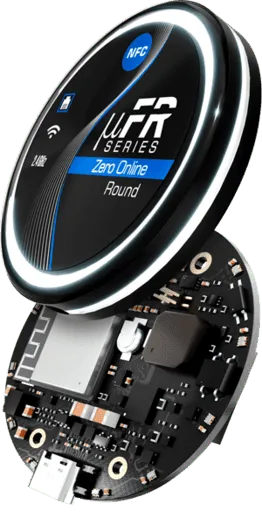
A round network NFC reader configuration with USB, Wi-Fi and BLE integration paths.
PR SDK
PR-103
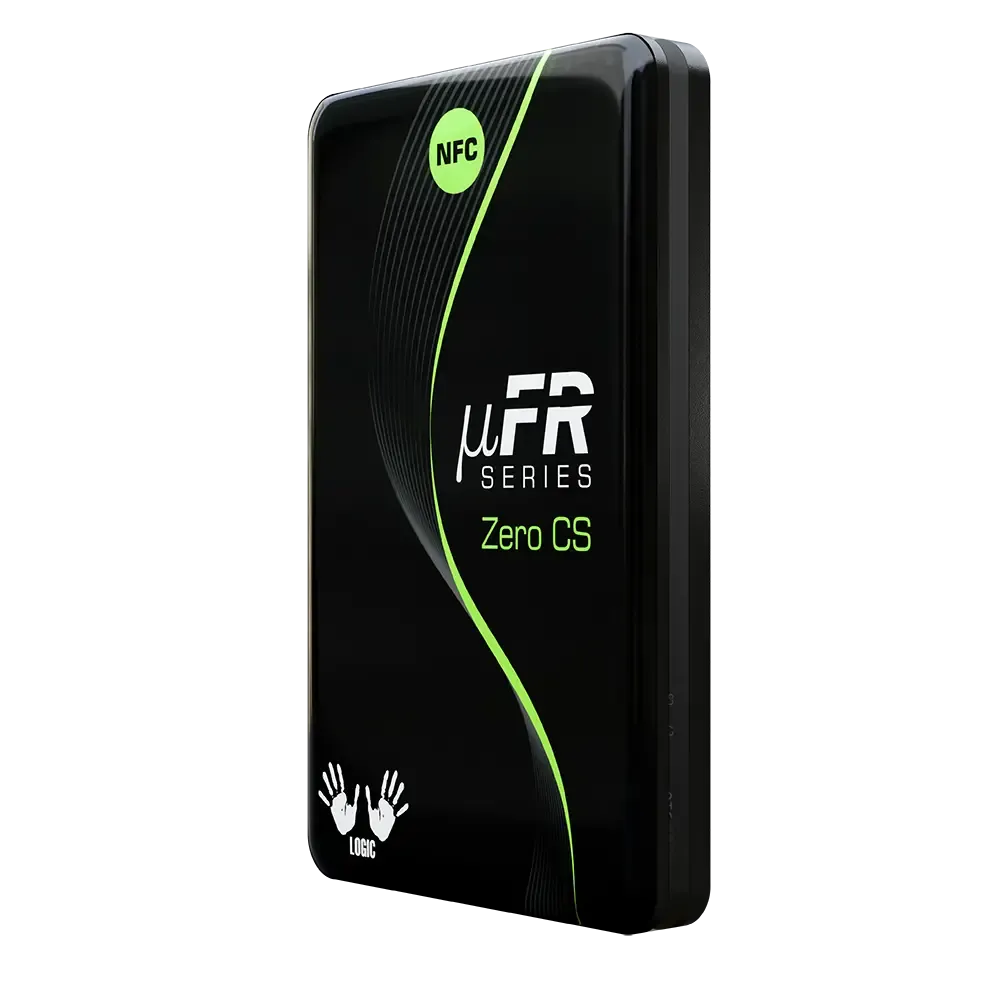
A card-size NFC reader writer with connection options for custom integrations.