EV Charging · OCPP
EV Charger OCPP RFID Authentication Reader Matrix
Select unhoused USB OEM NFC modules (PR-203, PR-106, PR-403) or wired Ethernet readers (PR-503) for OCPP 1.6J/2.0.1 EV charger driver authentication.
Side-by-side candidate specification matrix
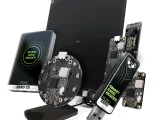 PR-203 OEM Standard: USB NFC Reader Module | 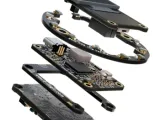 PR-106 OEM: Large-Antenna NFC Reader Module | 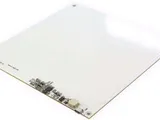 PR-403 OEM USB: libNFC NFC Reader Module | 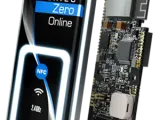 PR-503: Wired Network NFC Reader | |
|---|---|---|---|---|
| Connection | USB CCID | USB | USB | USB, Ethernet, Wi-Fi, BLE |
| Configuration | XL OEM board; USB Standard PC/SC configuration | OEM module; enclosure not included in this selection | XL OEM board; USB configuration | PR-503 default without PoE; optional PoE upgrade |
| Software path | PC/SC / CCID / APDU | Manufacturer SDK / uFCoder API | libNFC / libusb; not the µFR SDK | Manufacturer API; selected network firmware |
| Main workflow | Embedded smart-card integration | Embedded reader integration | Embedded open-source NFC integration | Wired network card and tag read/write workflows |
| Supported standards | ISO/IEC 14443 A/B, ISO/IEC 15693, ISO/IEC 7816 APDU | ISO/IEC 14443 A/B, ISO/IEC 15693 | ISO/IEC 14443 A/B, FeliCa | ISO/IEC 14443 A/B, ISO/IEC 15693 |
Select PR-203 for Linux OCPP charge controllers using standard USB CCID PC/SC, PR-106 for native C/Python SDK control or cryptographic card workflows, and PR-503 for retrofit depot pedestals over wired LAN.
Quick quote & sample check (stay on this page)
Commercial AC wallboxes and DC fast-charging pedestals require stable 13.56 MHz driver badge reading behind UV-stabilized polycarbonate windows, coupled with deterministic idTag or idToken byte ordering across charger fleets.
EVSE hardware architecture to PR model mapping
| Charger architecture | Recommended SKU | Host & protocol path | Engineering boundary |
|---|---|---|---|
Linux SBC charge controller (pcscd) |
PR-203 | USB CCID PC/SC (ISO 14443 A/B + 15693) |
USB OEM module; TTL UART/RS232 require separate order variants |
| Embedded Linux / MCU gateway with native SDK | PR-106 | USB + uFCoder SDK / APDU | Supports structured sector/DESFire workflows behind non-metal fascia |
Open-source Linux libnfc OCPP stack |
PR-403 | USB + PN533 libnfc / libusb |
Dedicated libnfc path; not compatible with uFCoder SDK |
| Depot pedestal or retrofit cabinet without USB host | PR-503 | Wired RJ45 Ethernet (HTTP / MQTT) |
No built-in PoE on standard SKU; pair with 5 V DC rail or PoE splitter |
Pre-production EVSE validation checklist
- Lock
idTagendianness (MSB vs LSB hex) across existing fleet cards using a verified sample before commissioning backend OCPP whitelists. - Keep ≥10–15 mm clearance between the OEM PCB coil (
PR-203/PR-106/PR-403) and sheet-metal charger doors, TFT EMI shields, or high-current AC contactors. - Confirm USB cable strain relief and industrial hub power stability across thermal cycling inside sealed outdoor enclosures.
- For
PR-503Ethernet depot retrofits, budget a regulated external DC supply or external PoE splitter inside the pedestal.
Engineering tools & related comparisons
Verify 4-byte and 7-byte idTag formatting in the UID & Wiegand converter, compare bare-board modules in PR-106 vs PR-203 vs PR-403, read the EV charger RFID module guide, or request 1-2 OEM sample units.
Technical & manufacturer references
Deployment & procurement questions
Are PR-203 and PR-106 shipped with TTL UART or RS232 enabled on the standard SKU?
No. The catalogued PR-203, PR-106, and PR-403 listings are USB OEM configurations. Specify serial requirements during RFQ if your EVCC board lacks a USB host port.
Why do OCPP backends reject valid fleet cards when mixing charger brands?
Most mismatches stem from 4-byte or 7-byte UID byte-order reversal (MSB vs LSB) between legacy desktop enrollment readers and embedded charger modules.
Shortlisted PR hardware configurations
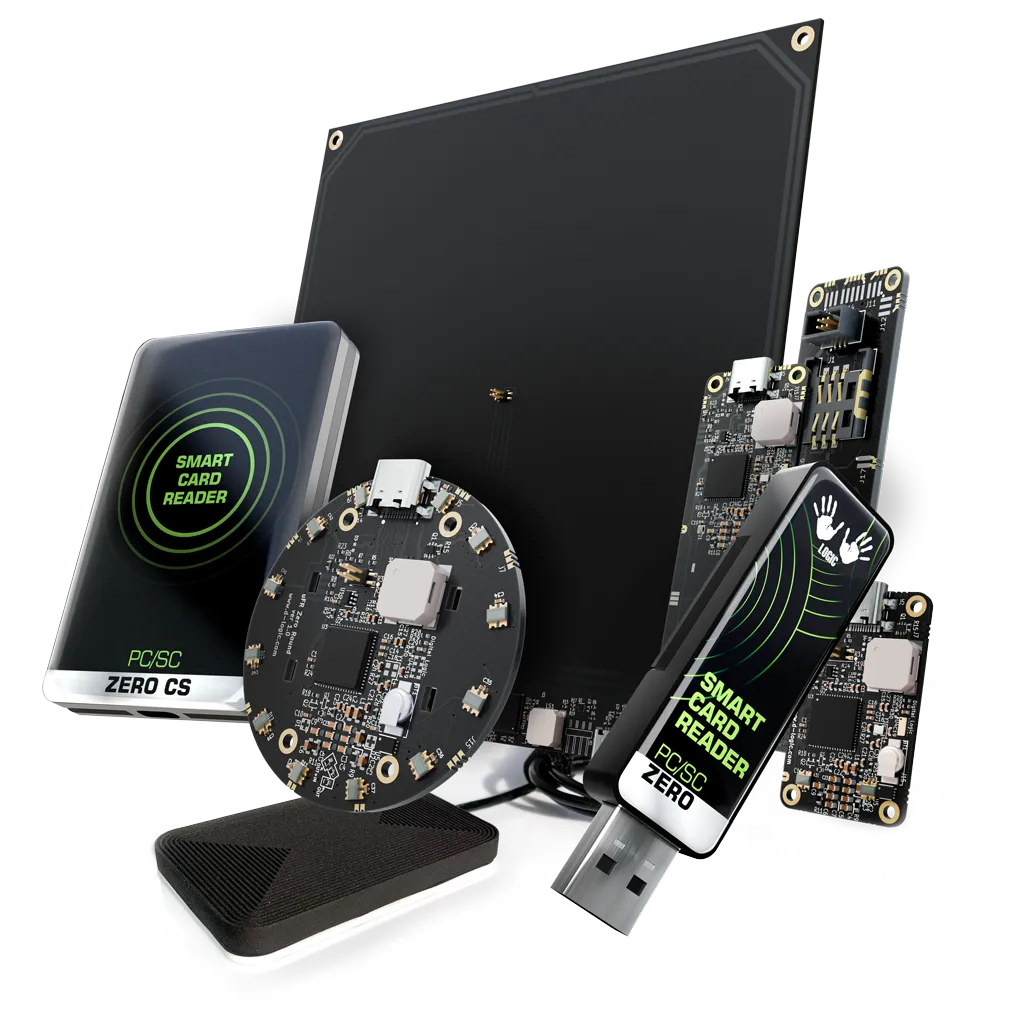
PR PC/SC
PR-203
An PR-203 OEM module for embedded projects using the PC/SC host stack.
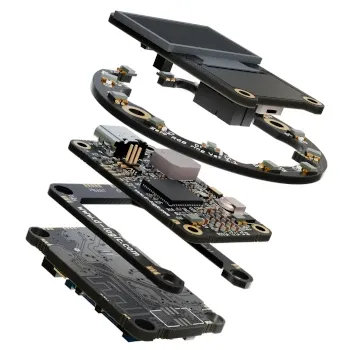
PR SDK
PR-106
A large-antenna OEM module to evaluate in the finished equipment enclosure.
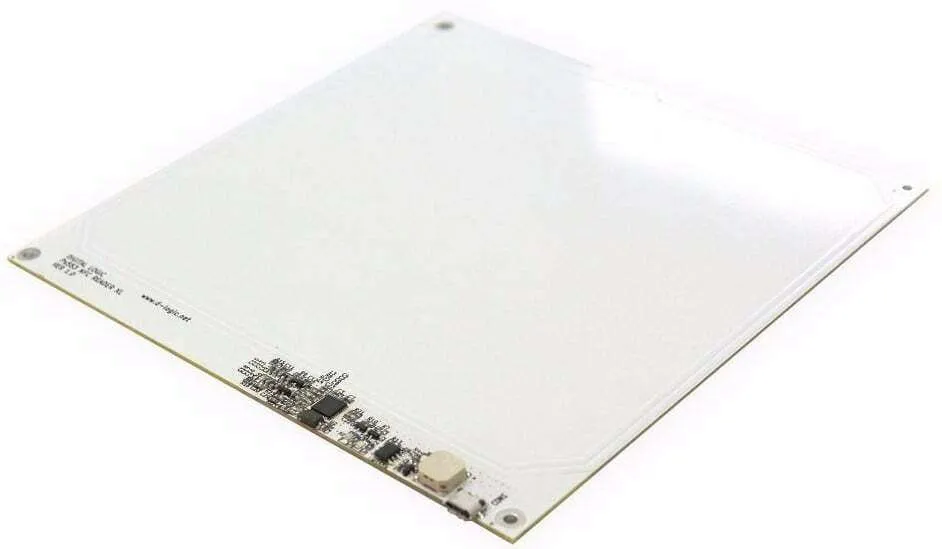
PR libNFC
PR-403
An PR-403 OEM USB module for embedded installations using libNFC.
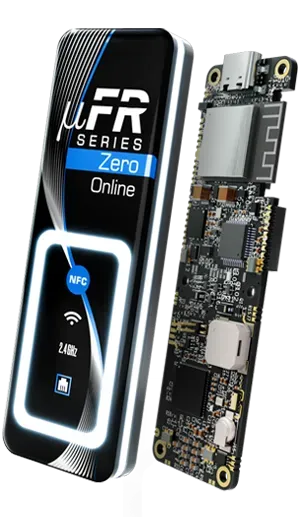
PR Network
PR-503
The Ethernet-capable Online configuration for wired NFC reader-to-server integration.