Quick answer
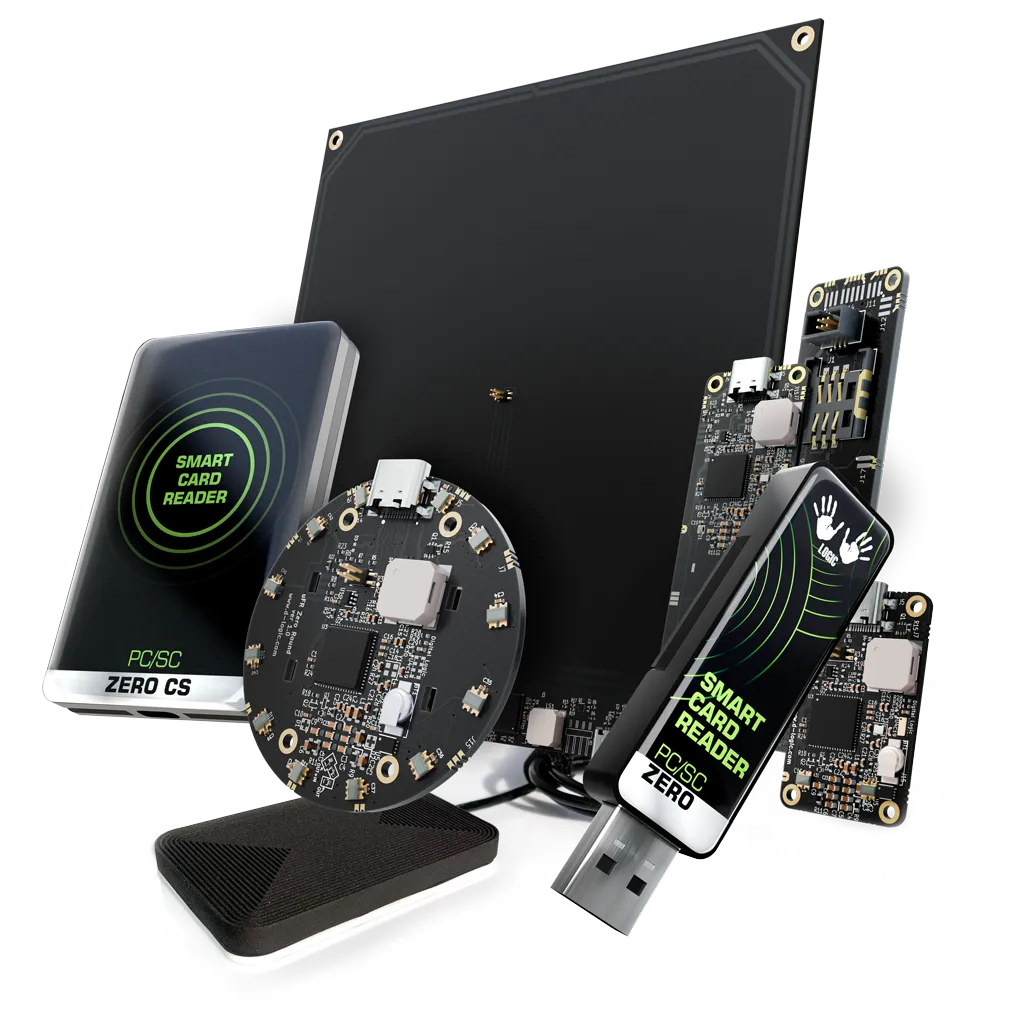
Clinic and pharmacy check-in projects fall into three distinct hardware topologies: reception PCs running EHR browser or desktop software fit PR-202 (USB PC/SC), custom USB check-in counters needing on-reader visual prompts fit PR-105 (USB Round + OLED Display via SDK), and PC-less waiting-room pedestals fit PR-502 (Wi-Fi/BLE network reader).
The worked examples explain software handling. They are not reader measurements or proof of card authentication. Sources and scope · Read our editorial method
Matching the reader interface to your reception workstation or waiting-room pedestal eliminates unnecessary mini-PCs and USB extenders.
Choose the clinic reader topology by host and patient feedback
| Catalogue model | Connection & UI | Software integration path | Clinic deployment point |
|---|---|---|---|
| PR-202 | Card-size desktop USB | Standard OS PC/SC (WinSCard / pcsclite) |
Staffed reception desks and clinician workstations |
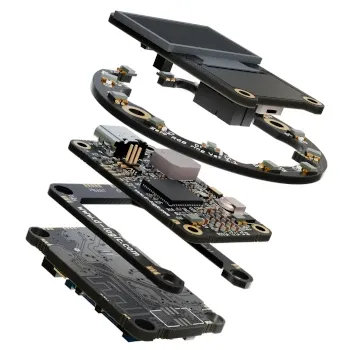
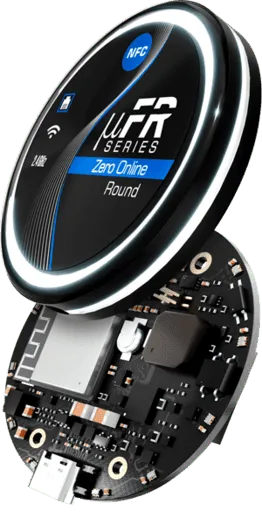
| PR-105 | USB Round + OLED Display | Manufacturer uFCoder SDK + screen commands |
USB check-in counters needing local visual confirmation |
| PR-502 | Wi-Fi / BLE Round reader | HTTP(S) Webhook / MQTT network payload | Standalone waiting-room pedestals and queue kiosks |
Four architecture and privacy checks for healthcare check-in
- Keep protected health information (PHI) off the NFC card whenever possible; store an opaque token or identifier resolved server-side over TLS.
- Clarify
PR-105scope: the catalogued SKU is the USB Round + OLED Display configuration, and your host software must send explicit SDK commands to render text or icons. - Verify surface cleaning procedures and mounting seals so routine disinfectant wipes do not enter open USB ports.
- Test read range with both ISO/IEC 14443 A/B patient cards and ISO/IEC 15693 wristbands if used in day-surgery or lab workflows.
Generate check-in payloads or request an evaluation unit
Prototype waiting-room webhooks in the HTTP/MQTT receiver generator, compare PR-105 USB + OLED and PR-502 Wi-Fi Round, or request a clinic reader consultation.
Official references and scope
Catalogued PR readers are general-purpose 13.56 MHz NFC interfaces, not life-support medical devices; verify facility electrical, IT security and infection-control requirements.
Questions to consider
Does the PR-105 OLED screen display patient names or queue numbers automatically out of the box?
No. Your host application controls screen content through the manufacturer SDK and firmware display commands; avoid showing sensitive patient data on public screens.
When should a clinic choose PR-502 over PR-202?
Choose PR-202 when a reception PC is right next to the reader via USB; choose PR-502 when a wall or pedestal check-in point has power and Wi-Fi but no local computer.